NukeWorker Menu

Employers

Employer Login Help & FAQ Prices Testimonials Info Kit Resume Summary Post Jobs Search Resumes Employer Register

Job Seekers

Jobseeker Login Post Resume Search Jobs Job Seeker Register

Advertising

Banner Ads Lodging Post Jobs Info Kit

Other Services

Outage Schedules Gold Member Study Guides Upload Picture View Pictures Calendar Quiz Help Search for User

Nuclear Pictures

NukeWorker online photo album.

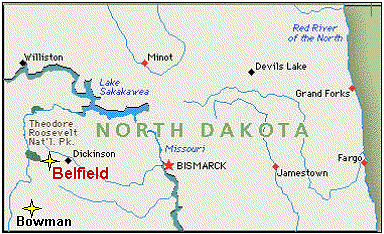
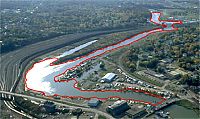
The Belfield facility site is located about one mile southeast of the town of Belfield in Stark County, North Dakota.
Union Carbide Corporation (UCC) built and operated the facility in the early 1960s to burn uraniferous lignite coal. The plant had a capacity of 100 tons of ore per day and was operated from July 1965 to November 1967. The plant site was located near the mines to decrease the freight haulage costs. Burning the lignite concentrated the uranium values in the ash product that was directly amenable to further processing at the company’s Rifle, Colorado, uranium mill. The raw lignite ore, which contained 35-50 percent moisture by weight, was burned in a natural gas fired, rotary kiln to decompose and drive off the organic constituents and carbon. The kiln was 8 feet in diameter by 125 feet in length, and it operated at 1,300°F to 1,600°F depending on the lignite feed quality. The lignite ore averaged about 0.37 percent U3O8, and the uranium values were concentrated in the ash by the burning process. Uranium recovery in the ash product averaged 93 percent.

The Belfield facility site is located about one mile southeast of the town of Belfield in Stark County, North Dakota.

Union Carbide Corporation (UCC) built and operated the facility in the early 1960s to burn uraniferous lignite coal. The plant had a capacity of 100 tons of ore per day and was operated from July 1965 to November 1967. The plant site was located near the mines to decrease the freight haulage costs. Burning the lignite concentrated the uranium values in the ash product that was directly amenable to further processing at the company’s Rifle, Colorado, uranium mill. The raw lignite ore, which contained 35-50 percent moisture by weight, was burned in a natural gas fired, rotary kiln to decompose and drive off the organic constituents and carbon. The kiln was 8 feet in diameter by 125 feet in length, and it operated at 1,300°F to 1,600°F depending on the lignite feed quality. The lignite ore averaged about 0.37 percent U3O8, and the uranium values were concentrated in the ash by the burning process. Uranium recovery in the ash product averaged 93 percent.

gunnison.gif greenriver.gif belfield.gif bowman.gif ashtabula.jpg
File information
Filename:belfield.gif
Album name:Rennhack / Belfield Ashing Facility
Filesize:37 KiB
Date added:Jan 24, 2006
Dimensions:384 x 234 pixels
Displayed:936 times
URL:https://www.nukeworker.com/pictures/displayimage.php?pid=4582
Favorites:Add to Favorites