

Callaway
Refueling Outage · Day 25Ameren Missouri·Fulton, MO·PWR·1,190 MWe
Working Here
Per Diem Rates FY 2027
Per diem covers lodging and meals & incidental expenses (M&IE) for government and contractor travel near this facility. Rates are from GSA for FY 2027.
$113
Lodging/Night
$68
M&IE/Day
$181
Total/Day
Standard Rate, MO
Unemployment Benefits MO
Maximum state unemployment insurance benefits for MO. Actual benefits depend on your earnings history and may be lower than the maximum. Data as of Jan 2026.
$320
Max Weekly
20
Max Weeks
$6,400
Max Total
7-day waiting period before benefits begin
Photos
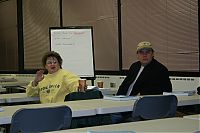
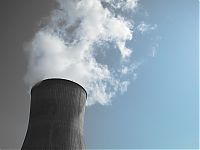
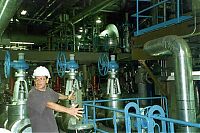
Photos of this facility from the NukeWorker photo gallery. Click the header or any photo to browse the full album.
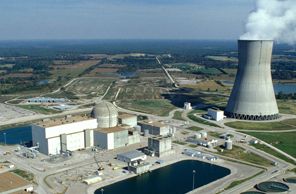
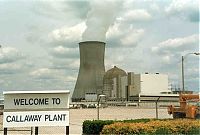
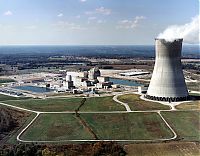
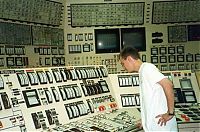
Facility Map
Interactive satellite map showing the facility's geographic location. Marker color indicates current status: green for online, red for offline, orange for reduced power. Click the header to open in Google Maps satellite view.
38.7594, -91.7855
Location & Contact
Physical address, phone number, and website for this facility. Use the directions link to get driving directions via Google Maps.
Phone:
(573) 676-8000
Website:
http://www.ameren.com/
NukeWorker Member Ratings 34 votes
Community ratings from NukeWorker members. Vote to share your experience working at this facility. Score uses a Bayesian average that accounts for vote count — facilities with few votes are pulled toward the fleet average, so rankings reflect confidence, not just raw percentages.
Above Average
24 (70%)
Average
8 (23%)
Below Average
2 (5%)